
As Vermont communities and leaders struggle with education reform, a bright spot has been the regional team that presented their UP Youth Participatory Action Research (YPAR) project to the House and Senate Education Committees. This ambitious project brought together three Central Vermont school districts to answer the question: “What does future-facing education in Vermont look like?”At the four regional retreats, UP and the full team worked through the YPAR cycle. We started with community building and understanding similarities and differences of the three high schools and communities. This led to a data collection plan that included each team leading circles with their peers through advisory and with staff. This was the first effort to engage their community and bring in as many voices as possible.
The next gathering resulted in the synthesis of the three regions’ data. The team identified common themes and then shared recommendations for action. Over another retreat, this blueprint was edited into a final draft that the group first presented to the Vermont Agency of Education’s Secretary of Education, Zoie Saunders, and Chief Academic Officer, Erin Davis, and the representatives of the Vermont Superintendents and Principals Associations.
Sharing the vision became an added opportunity to solicit community feedback. The Montpelier and Randolph teams presented to their local leaders (see Montpelier present to their City Council here) before the culminating testimony to the House and Senate Education committees. The local presentations helped hone the final presentation and build confidence and comfort for the youth to lead every aspect of the community dialogues.
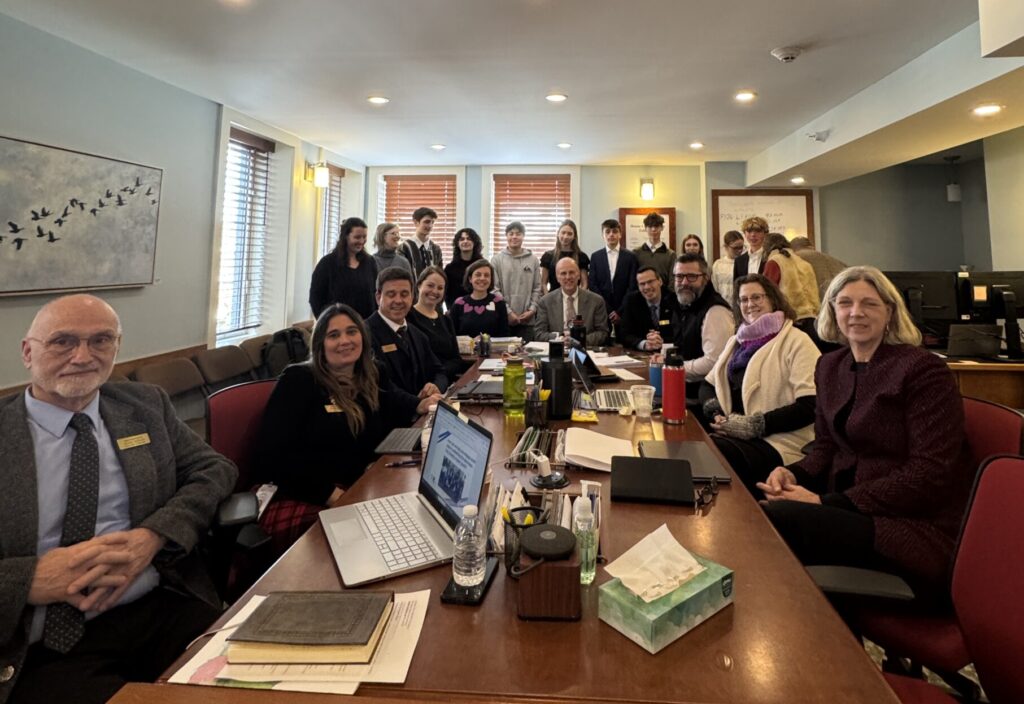
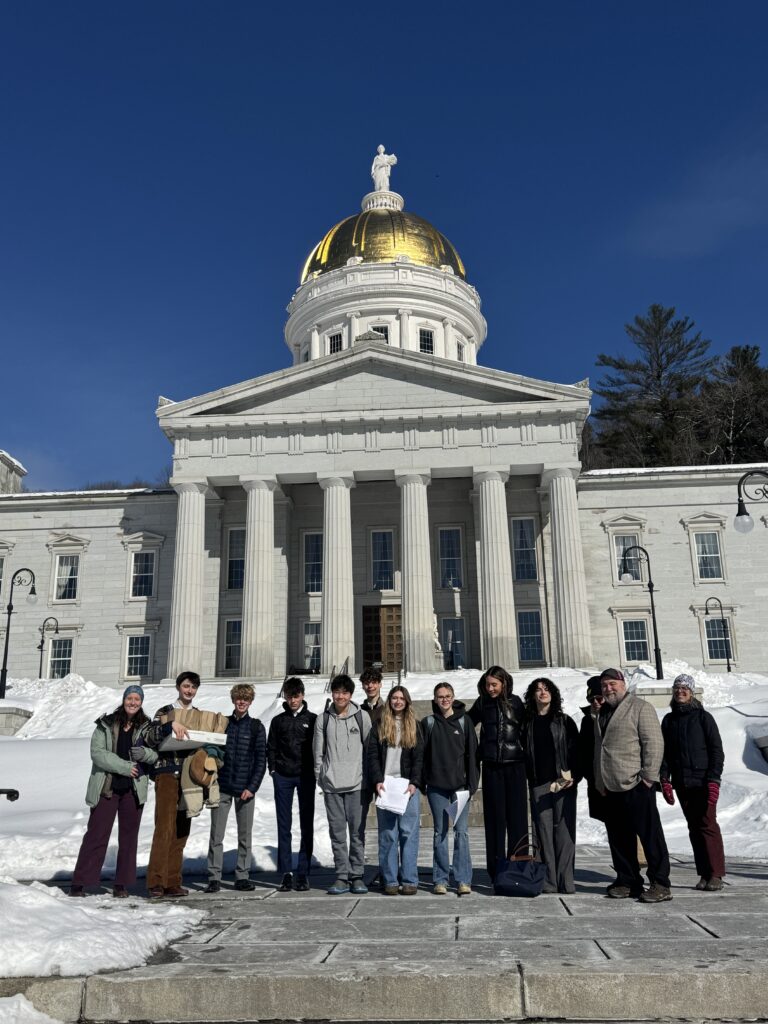
With five students from each district, the team filled the committee rooms. They shared their final presentation, which outlined the process and the findings, before fielding questions. Watch the House Ed Committee testimony and Senate Ed Committee testimony. They asked the committees to take the time to incorporate youth voice into the ongoing decisions about Vermont’s education system. They reminded them that the education system should support developing youth into adults who are ready to participate in the rapidly changing work force and in community leadership.
The Vermont Superintendents Association invited the team to be the keynote speakers on day two of their May 22 Annual conference. The group will repeat the process they used to initially collect data at their schools at UP’s Power² Summit. With additional voices and feedback, they will provide to superintendents a picture of what current participants in Vermont’s education system really want and need.