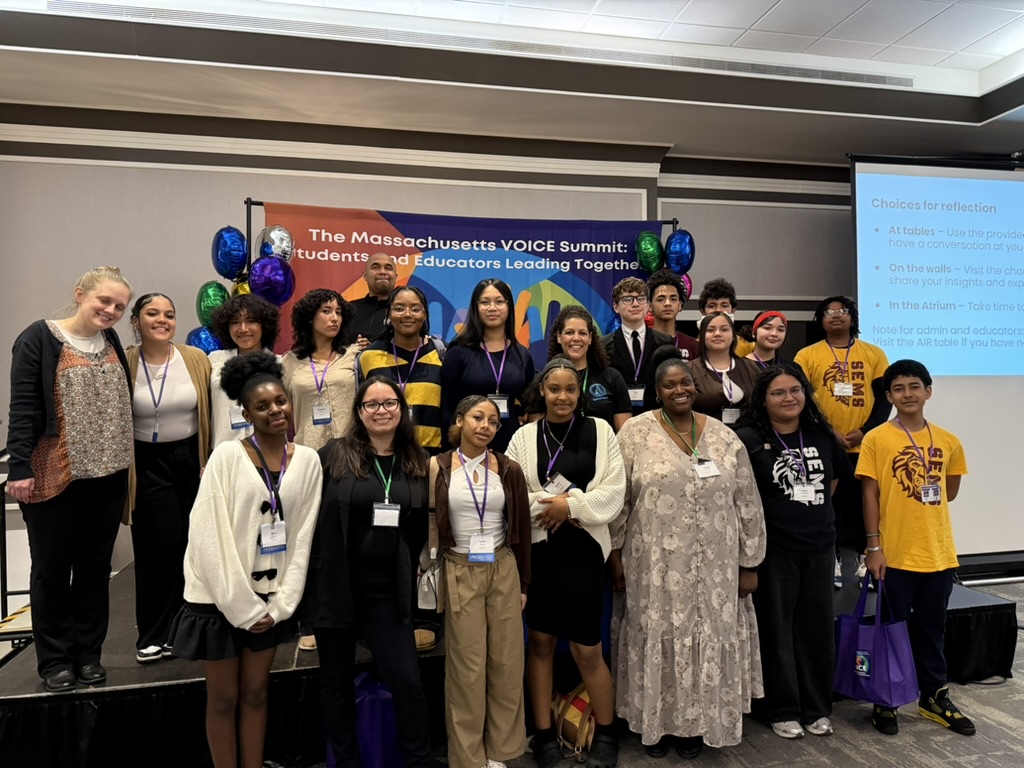
Hundreds of youth and adults joined together with state policymakers at the Massachusetts VOICE Summit put on by the Department of Elementary and Secondary Education (DESE) on April 16th to share and celebrate their work to improve their schools through Youth Participatory Action Research (YPAR) projects, play-based learning, social emotional learning, and student wellness initiatives.
The event, which UP for Learning co-planned along with youth and adult partners from several other organizations, showcased the work that has been happening in 61 districts across Massachusetts as part of DESE’s Student Voice and Wellness grant program. That grant program has enabled UP’s work with schools in Springfield, Methuen, and North Adams, MA for the past two years.
Building off the excitement of last year’s Summit, the program included powerful student performances, interactive breakout sessions, and opportunities for participants to engage across districts and schools through poster presentations, community building activities, thoughtful reflection, and fun activities.
In addition to supporting the eight UP for Learning teams who presented at the summit, UP for Learning led a youth planning team of students from across the Commonwealth as they met throughout the spring to design and lead different aspects of the summit. It was a joy to meet and work with these students in person as they led hundreds of their peers and adults at the summit.
Here is a window into the work happening at the different schools UP for Learning has been supporting through the YPAR process:
Springfield Public Schools (Springfield, MA)
All nine schools in Springfield, along with the school district youth council, established Youth-Adult Partnership (YAP) teams to lead the work at each of their schools, participated in a series of three half-day workshops to build connections with one another and share their learning, and worked through the YPAR process with meaningful results.
At Central High School, the team surveyed 9th graders and identified strategies and practices to help support the transition to high school and success in the classroom by contributing to the teacher-student advisory program. The survey at Balliette Elementary School identified addressing bullying as a priority. So, the team wrote and performed a skit to present to students and staff, and led discussions to engage their peers in working together to build a safe school climate. The Renaissance School heard from students and staff through their survey, and noticed that middle school students felt that they didn’t have much voice or access to decisions that impacted them. So, they decided to start up a mentor approach in which seniors work with middle schoolers to form their own YAP / YPAR Team.
Drury High School (North Adams MA)
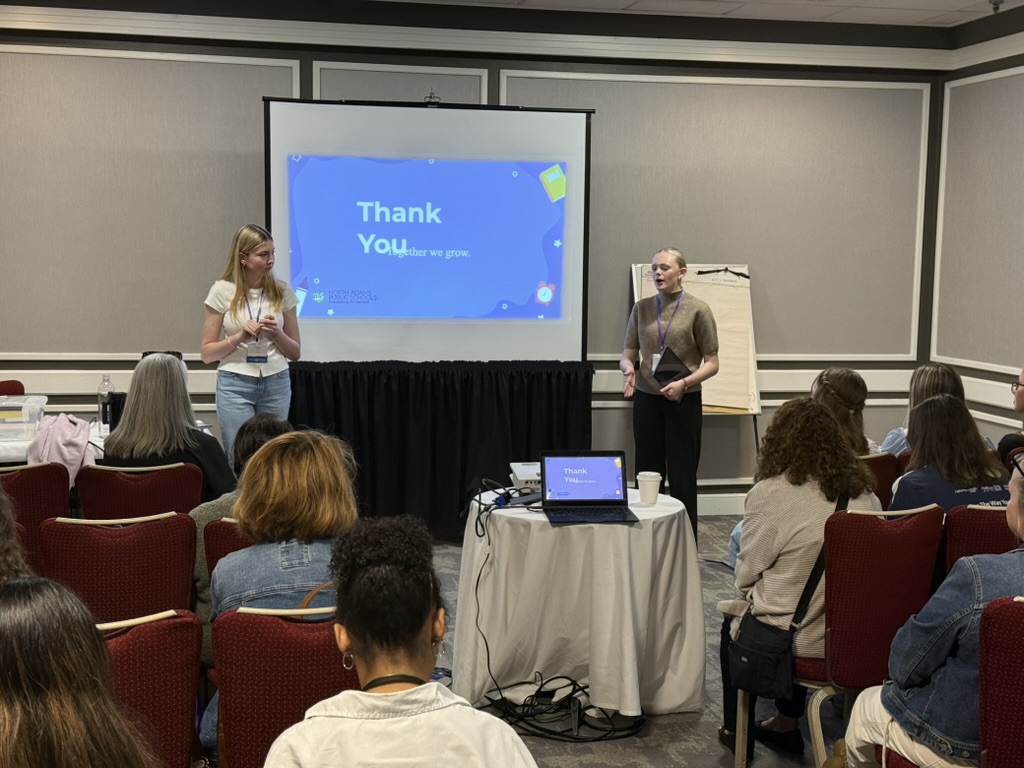
The North Adams YPAR team at Drury High School has worked through the different phases of the YPAR process over the course of the year. After looking at several sources of data already collected at their school, they designed and launched a survey exploring student and teacher relationships. They are planning on sharing their data analysis with students and staff, and working towards a school culture in which more students feel comfortable bringing their concerns to trusted adults.
Methuen Public Schools (Methuen, MA)
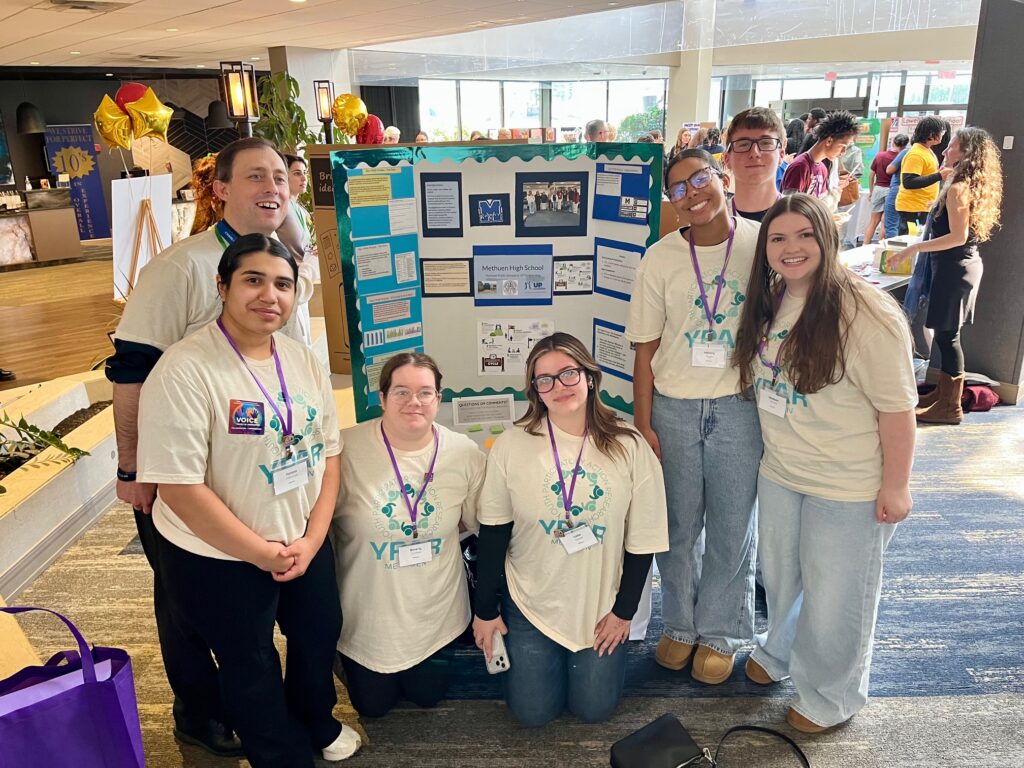
Wrapping up their second year of YPAR engagement, teams from the Methuen School District have been actively visioning, collecting data, and implementing change in their communities. At the DESE Voice Conference, 32 youth and adult representatives from the Methuen YPAR team had the opportunity to showcase their work.
All five school teams presented posters outlining their research processes and projects, which ranged from addressing bullying to exploring how classroom behaviors affect the quality of student learning. Additionally, two teams delivered impressive breakout session presentations. Students from Marsh Grammar School shared their efforts to increase staff and student engagement, while youth from the Comprehensive Grammar School (CGS) highlighted their initiative to improve the WIN (What I Need) Block through student voice.
Beyond presenting their projects, students also represented their schools and district professionally, connected with peers doing similar work, and deepened their understanding of YPAR.
The work done by all these teams builds awareness of how increasing youth voice can improve school communities and cultures. Collectively, the Summit showcases the power of youth collecting, analyzing, and acting on their own data to make meaningful and long-lasting change.
